

Theology and Creativity: Introduction
Part 1 of 4 On Developing Theological "Tools" for Worship Leaders

Hey Friends! This is the first installment of a 4-part series on “Theology and Creativity” in which I will offer three theological “tools” to help worship leaders, pastors, service planners, and creatives think through how their local church worship practice is shaped.
Look for parts 2, 3, and 4 on Fridays from now through July.
Today, I’ll be laying the groundwork and defining some terms for the rest of the conversation.
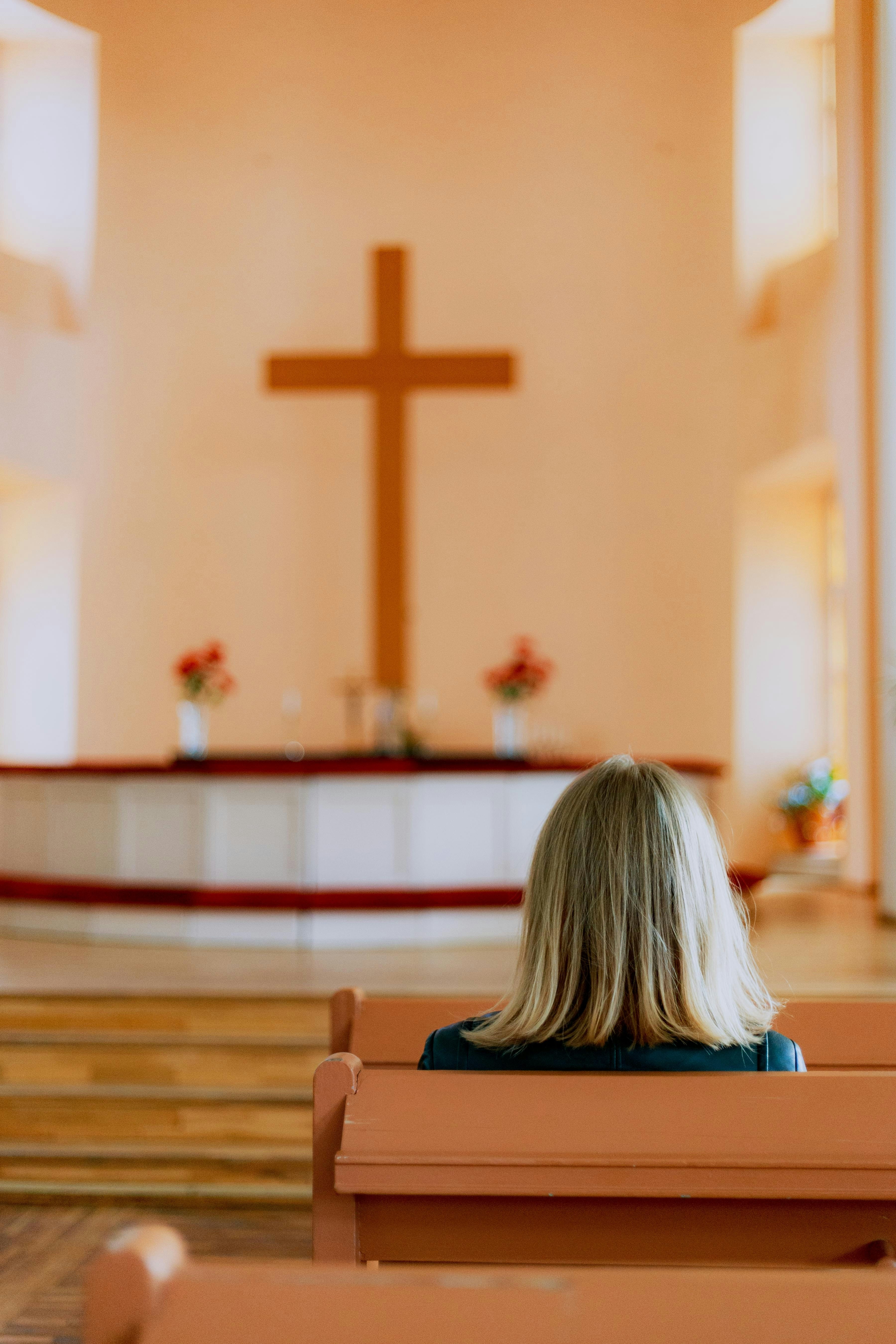
Introduction
When I was first working as a worship pastor, I would sometimes find myself in a creative rut. It would feel like our worship gatherings were going through the motions. I would start asking myself why we are doing what we are doing. At the time, I hadn’t developed the theological tools to help me integrate my theology and creativity in ways that kept our worship gatherings fresh and dynamic, living and fruitful.
I have always enjoyed studying, so those connections did end up coming naturally to me. But I recognize that for some, it can be intimidating or even feel restrictive to be asked: “How does our theology speak to our creativity?” I know many creatives who might feel very restricted by that question. Or intimidated because it isn’t something they naturally gravitate towards thinking about.
So what I’ve done here is try to condense some ideas into three theological “tools” or frameworks to help you (the creative, the worship leader, service planner) think through what it means to bring theology and creativity into harmony. I believe when we do this, our worship gatherings become more effective spaces for the formation of faithful witness to the gospel message.
Over the next few posts, I’ll lay out each of these tools, but for today, I just want to define a few terms I’ll be using.
Defining our Terms
Before we get to our three theological tools, I should briefly define some terms so you understand how I’m using them here.
What Is Theology?
Theology comes from the Greek words theos (God) and logos (word, speech). To put it in its most basic form, theology is “God Speech” or how we speak about God. Beth Felker-Jones defines theology as “the discipline of learning from the Word of God and learning to use words faithfully when we speak about God.”1
This is important because if we do not speak well about who God is, it can change the way we respond to God and live in the world. Indeed, if we do not learn how to be disciplined with our speech about who God is, we can “…fly off into empty speculations. [We won’t] apprehend God as he offers himself but imagine him as [we] have fashioned him in [our] own presumptions.”2
All kinds of dysfunctional behavior and ways of thinking result from not rightly learning who God is and being careful to speak about God well. In the words of a well-known C&MA Pastor, A.W. Tozer, “What you think about God is the most important thing about you.”3 It will shape how we live in the world, and we want to live in this world to the fullest extent that God created us to.
What Is Worship?
There are many ways we could define worship, especially in our own day, when worship tends to describe not just music in general, but a genre of music. Listening to “worship” music has, in some ways, actually distorted our view of what worship is.
We attend “worship nights” and “worship conferences” to inspire us and help us get better at “worship,” but sometimes forget that “worship” has an embodied context that extends beyond the music and production elements that dominate most evangelical, pentecostal/charismatic, and non-denominational churches in North America today.
Constance Cherry calls these other kinds of worship “para-worship” because they are all derivative of the real thing: a local gathering of believers, submitted to Jesus, taking communion, and proclaiming the gospel through the Scriptures.
This simple definition is what I would describe as our “worship practice”. Just like we have practices of fasting, service, prayer, etc. Worship, in this corporate definition I just provided, is a spiritual and social practice that we as a church must participate in regularly to be faithfully formed as followers of Jesus. Since that is the case, the content and form of that worship practice matter a great deal. Which is why we want to think and speak well about God in that space.
What is Creativity?
That’s sort of the wrong question, at least in this case. When we ask “what” creativity is, it forces us to think about what we do instead of who we are. For the purposes of what we’re learning about today, I think it is more important to ask…
Who is a Creative?
A creative is a human made by the Creator. Because you and I are made in the image of God, the one who creates, we all have creative impulses and abilities. They may not all translate into the fine arts, but anyone who crafts, shapes, designs, plans, creates, or implements any aspect of a worship gathering in our local churches can be considered a creative.
You might be very logistically minded and able to help plan how a video, a poem, a song, a scripture reading, and a testimony all fit well together over the course of a worship gathering, or you may be someone who writes a lot of simple prayers. Both of these skills can be used creatively to aid the local church worship gathering. So we want to think about creativity beyond the songwriters, musicians, sound engineers, and visual artists that tend to be the focus of these conversations.
To pull all these definitions together…
As we explore theology and creativity, what we are trying to do is be human beings who use our various skills, talents, craft, and wisdom to speak well of God in our worship practice so we can shape our churches to live faithfully towards God.
With that said, we need some theological tools to help us think about how all this can and should work together creatively in our worship gatherings.
So here are three theological “tools” you can use to help you think through the creativity you bring to your gatherings.
Over the next few weeks, I’ll unpack each of them.
Tool 1: Triunally Focused
Tool 2: Incarnationally Shaped
Tool 3: Liturgically Informed
As I post about each of these, I’m interested to hear how these support things you are already doing in your churches or if any of this series opens up something new for you.
Leave a like or a comment to let me know!
Beth Felker-Jones, Practicing Christian Doctrine
John Calvin, Institutes of the Christian Religion
A.W. Tozer, Knowledge of the Holy
I love that lens of embodied context for understanding what worship is.