

Theology and Creativity: Liturgically Informed
Part 4 of 4 On Developing Theological "Tools" for Worship Leaders

Welcome to the final essay in a 4-part series aimed at providing theological “tools” for worship leaders, pastors, creatives, and anyone else involved in planning worship gatherings. Today, we’re getting into the nitty-gritty with the first tool: being Triunally Focused.
If you’re just finding this series, I’d encourage you to check out my Substack homepage to read the first 3 essays.
I pray these are helpful to you and your church!
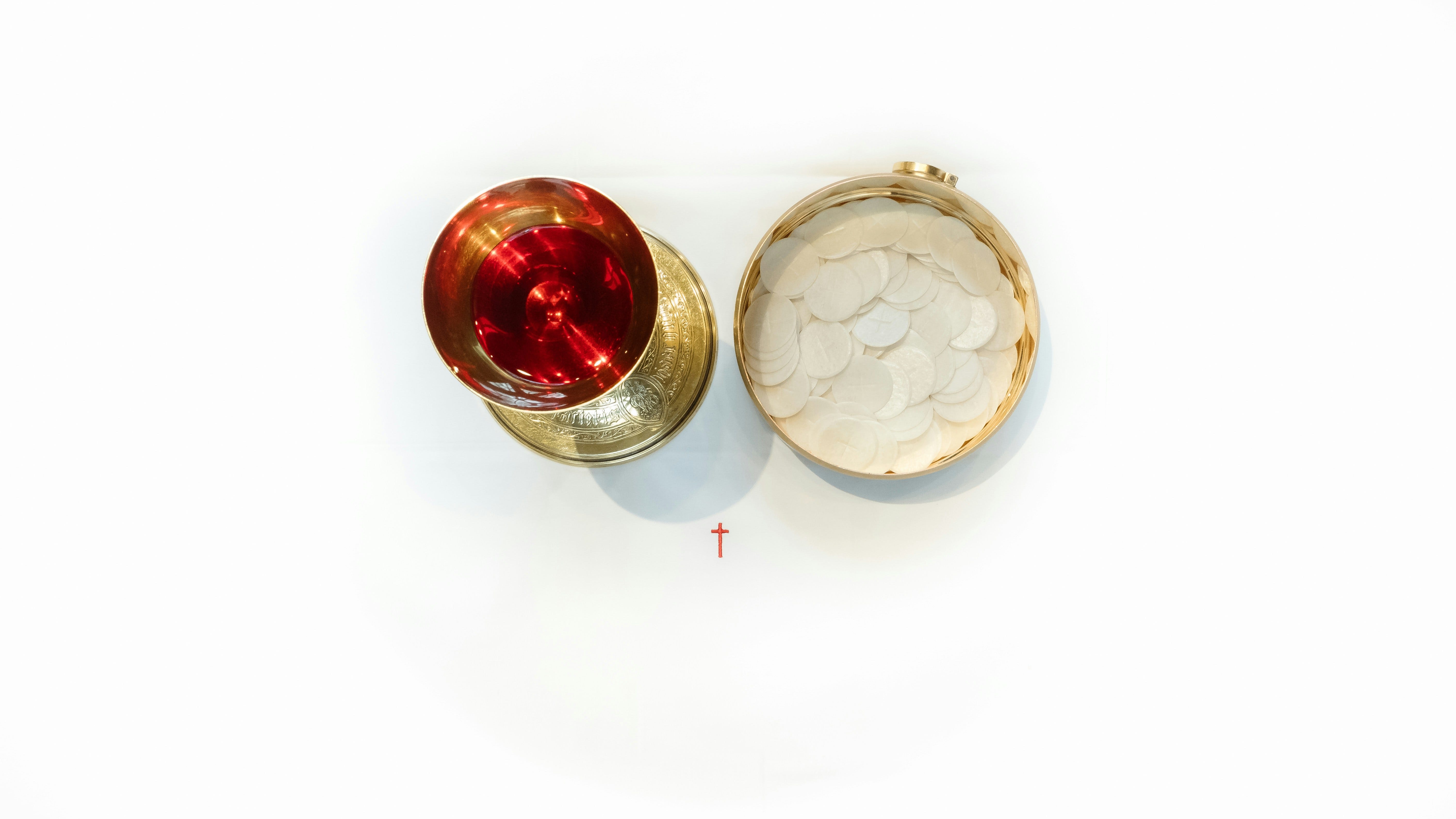
Tool 3: Liturgically Informed
What comes to mind when you think of the word “liturgy”?
When I ask this question to worship leaders, I get all kinds of interesting answers, especially from those of us who grew up in a “free church” tradition, but a common response I hear is that “Liturgy is restrictive.”
For those of us who did not grow up in an Anglican, Catholic or Orthodox tradition, we may find the word “liturgy” communicates to us something formal or restrictive. But the word, and what it means, are really quite helpful for all of us (even the most ardent Pentecostals and Charismatics!)
Liturgy means “the service of the people”. Its origins trace back to Greco-Roman society, where the highest-ranking members of a town or city would perform special public acts of duty.
The word took on special meaning inside the earliest church communities, which developed their own “liturgies.” These were unique in that they were participated in by ordinary people. Their rites and rituals were practiced weekly together as an act of worship to the Father, Son, and Holy Spirit. It was their “service” to God with the Christian community.
In each of our church traditions, we offer our own versions of this public service. It is surely very different from those first Christians, but we all (even the Pentecostals!) have developed habits, practices, rituals, and rites that we routinely do together as offerings of worship to God.
Let me show you a few examples, and then I’ll explain why this is helpful to be informed about.
The Early Church Liturgy
From what we can tell, the earliest Jesus communities participated in very simple liturgies that generally consisted of three parts and would take place in a home, culminating in a meal. There would be:
Singing a hymn
Teaching of the Scripture
Service of Communion and Thanksgiving
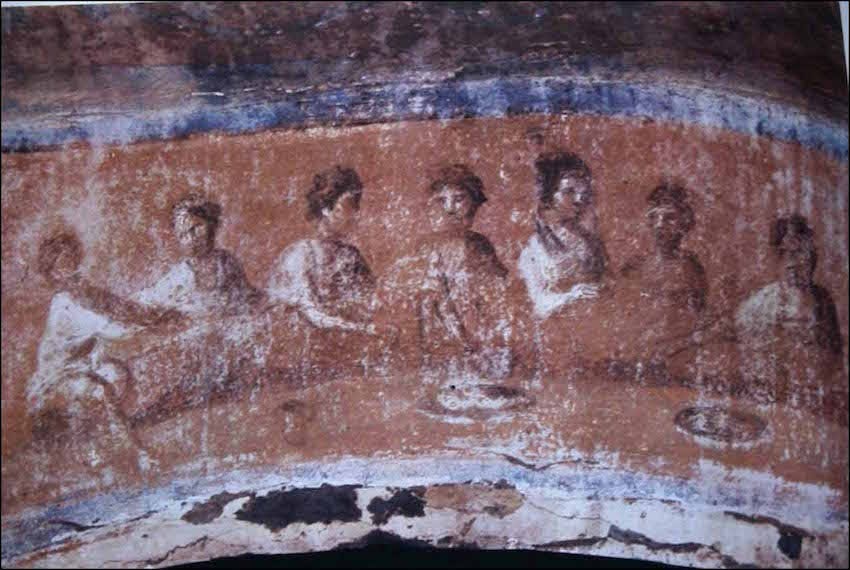
This very simple structure started with a hymn or invocation of God’s presence with the church community. Sometimes hymns were not possible as they were often at risk of being discovered. We hear stories of house churches in places like China and Iran, whispering hymns of praise to God to begin their gatherings, even to this day.
The scriptures would be read aloud to the whole community, along with instruction and discernment by the community on how this applied to their own faithfulness to Jesus.
Finally, everyone who was baptized would partake in the Lord’s supper and a full meal. This was the focus and pinnacle of the entire gathering. Everyone, regardless of their socio-economic status, man or woman, slave or free, Jew or Gentile, would share the meal together as one family.
This was especially significant for the poorest of the community, as it was likely the best meal they would eat all week, with many of the wealthier members of the community footing the bill out of obedience to Christ’s command to care for each other.
This simple model provides a baseline for all future forms of “liturgy” or worship gathering that we practice to this day. I’ll offer two more to help you see the connections.
Roman Catholic/Anglican Liturgy
In Roman Catholic or Anglican churches, what we might call a “High” church liturgy still has the same basic components of hymn/invocation, scripture, and the Lord’s supper, but has been developed significantly.
Robert Webber outlines what a basic liturgy of this kind might look like:
- Call to Worship
- Invocation
Acts of Praise (Song/Psalm)
Confession
Opening Prayer
OT Reading
Psalm
NT Reading
Musical Response
Gospel Reading
Sermon
Nicene/Apostles Creed
Prayers of the People
Offering
Prayers of Thanks
Receiving Bread and Wine
Closing Prayer
Benediction
Closing Song
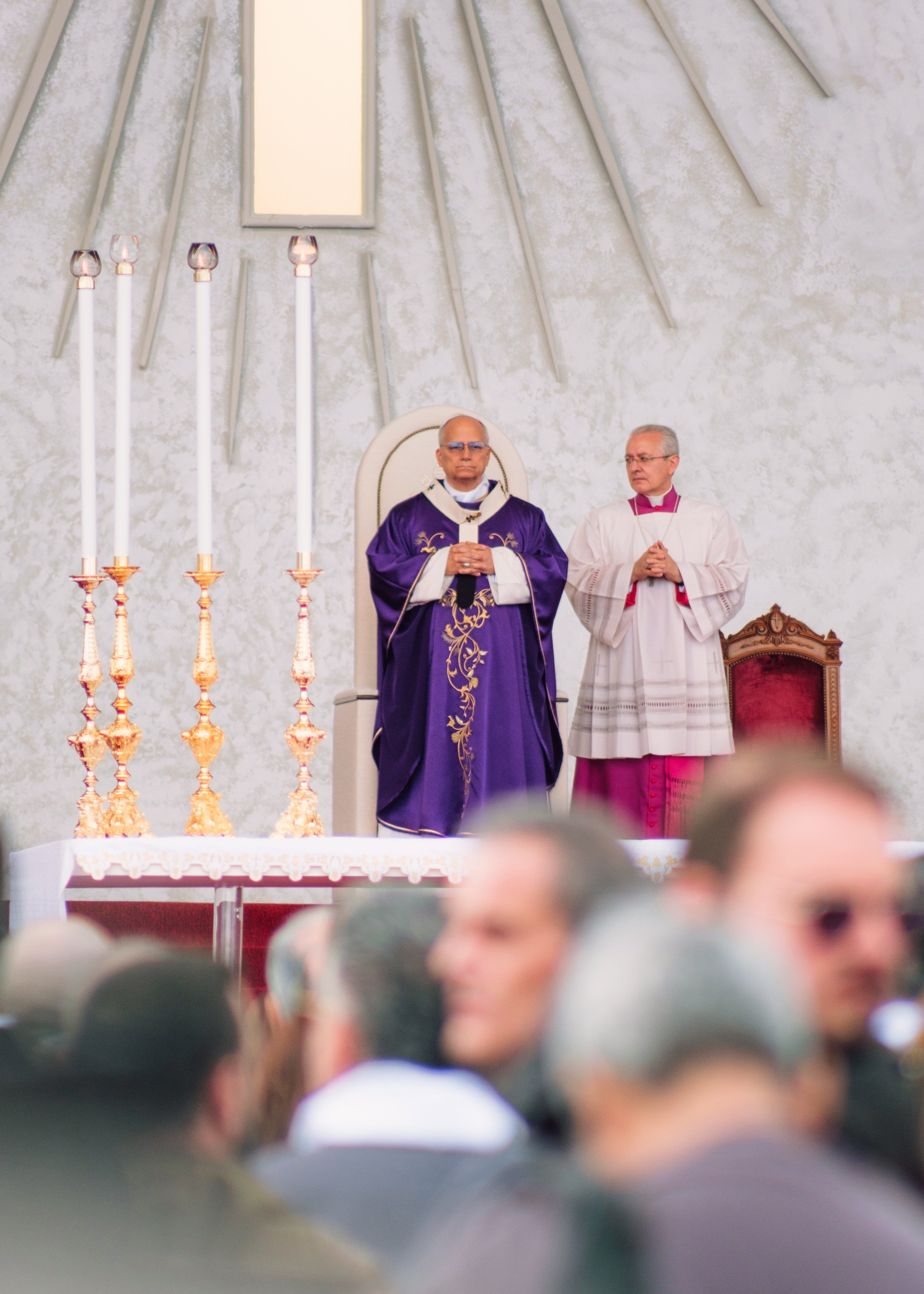
For most of those who read my writing, this will probably feel over the top to you, and the word “restrictive” is likely to resurface. Yet if we look closely, one can identify those same three core elements of worship that existed in the early church. Expanded upon in many ways for sure, but still keeping the beginning, middle, and climax of the worship gathering in place, with the Bread and Wine as the focus.
Here’s one more…
Pentecostal/Charismatic Liturgy
Yes, believe it or not.
Daniel Albrecht has identified that even the Pentecostal/Charismatic tradition has a liturgy!1 Albrecht identifies five basic components, which are:
Gathering/Greeting
Worship and Praise
Pastoral Message
Altar/Response
Dispersing/Farewell
In this liturgy, while it may seem to “flow” and be informal, the same basic structure is followed in every gathering.
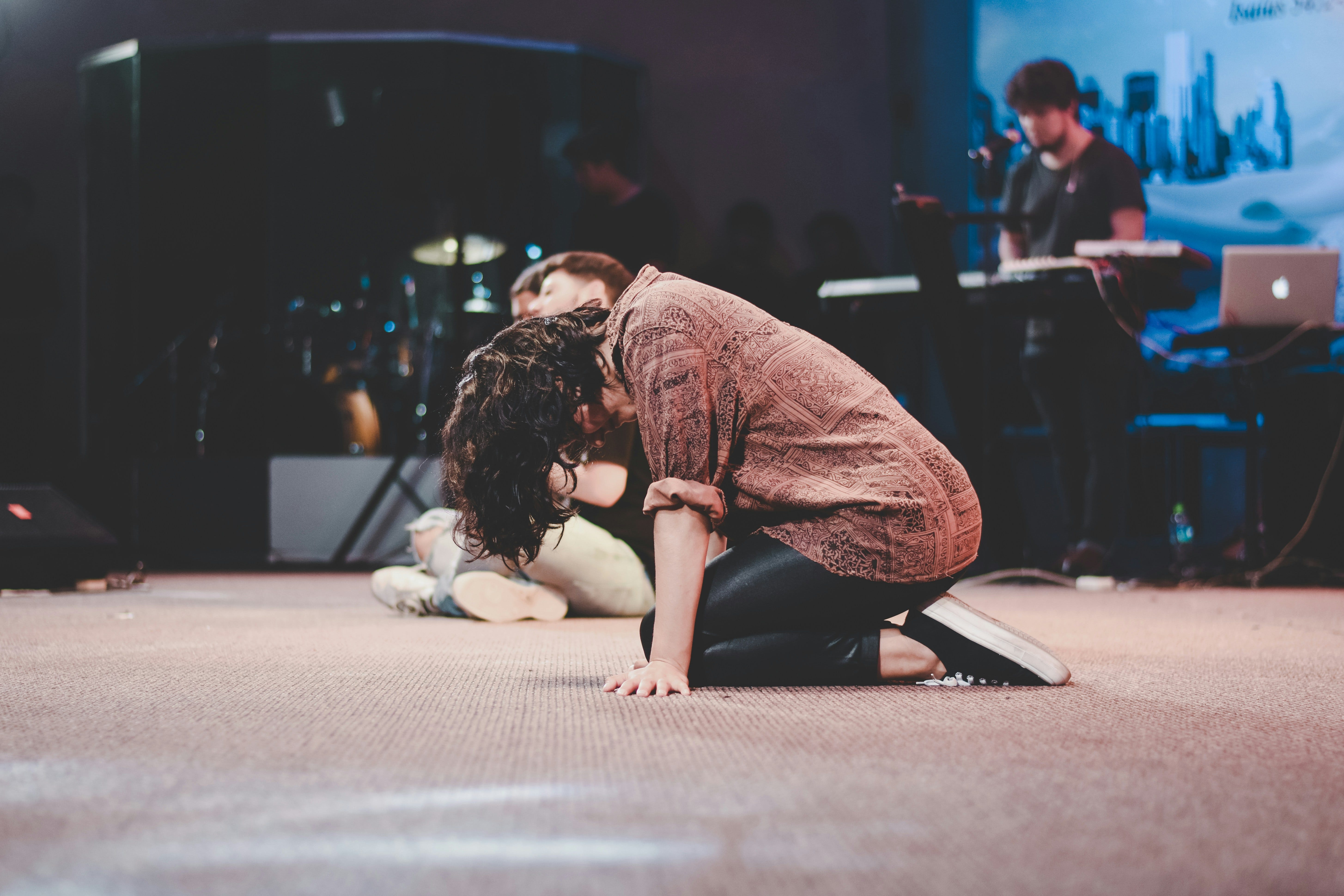
Here, the Altar/Response replaces a weekly Lord’s Table, but the idea of encountering God at the altar or in the response is very similar in many ways to how the Eucharist (Lord’s Table) functions in other traditions.
From my experience, this liturgy is what most non-denominational and evangelical churches tend towards, even if they would not self describe as Pentecostal or Charismatic.
Being Liturgicall Informed
In light of these three models, which liturgy most closely reflects your local church’s routine Sunday pattern? That might begin to help you see what your liturgy is or is not.
Robert Webber explains that all liturgies in all of church history share a few basic features in common:
Assembling the People (often done with music, or a prayer)
Scripture Reading/Preaching (could be a testimony, sermon, or reading many portions of scripture)
Breaking of Bread/Wine and Prayers of Thanks (the Eucharist, prayer ministry, silent response)
Dispersing/Farewell (a final blessing, an act of response as one leaves)
Webber explains that “Once churches become willing to recognize the different languages of worship…a worshiping community is in a good position to think more clearly about its own worship.”2
I find this incredibly helpful for providing a creative framework for our worship gatherings. If one were to take each of Webber’s four functions of a gathering, or even one of the other models described above, one could find numerous creative ways of practicing worship.
For example…
Assembling the People
Need not be a simple prayer of invocation or opening song. It could be a spoken word, poem, video, or a testimony about who God is and what God has done.
Children could be involved, a prayer could be offered in another language, or from the back of the worship space, to help us destabilize the “centrality of the platform.” There are endless creative possibilities that help us assemble.
Scripture Reading/Preaching
Scripture could be read by others besides the preacher, as many church traditions do, and, more are starting to do. The sermon could be given dialogically, meaning a short reflection followed by questions and responses, either as a whole church or in smaller groups. Testimonies could be used to emphasize the text being read or preached.
Breaking of Bread/Wine and Prayers of Thanks
In many evangelical and, to a lesser degree, Pentecostal/Charismatic churches, the sermon is the high point of the service. This is where we get our information, our teaching, and our inspiration. Yet this is probably an aberration rather than a historic pattern of the church.
Most of the church throughout history has seen the climax of the service focus on the Eucharist. The Eucharist, also called the Lord’s Table or Communion, depending on the tradition, has usually been the centering practice of the entire worship gathering.
There is a good reason for doing so.
As we discussed in the previous essay in this series, being incarnationally shaped has power implications. The Lord’s meal is the great leveler. Taking the meal doesn’t just say “yes, we’re all the same,” it forces us to embody being all the same as we sit around the same meal, or drink from the same cup, or eat the same bread.
We offer thanks to God in these moments of our service for the finished work of Jesus Christ, for the outpouring of the Holy Spirit, and for our church family that we have been bonded to in the finished work of the cross.
This may mean that, in our gatherings, we may want to change up communion every once in a while. Instead of the somber, confessional approach (which is no doubt also important), we could joyfully take communion. Come up in twos or threes and take the meal together. Incorporate a larger meal at the end of the service into the taking of the bread and the cup.
We might consider using this meal as an opportunity to reflect on any social imbalances or power dynamic issues in our community and intentionally repent and share the meal together as a practice of reconciliation.
Again, the creative possibilities are endless, but here we clearly see the real-world implications of such creative practices.
Worship is not a trinket we do with as we like. Worship is a practice of the church, shaping us into the life of the Kingdom and destroying the works of the devil.
As Ignatius admonished the church in Ephesus,
“Seek, then, to come together more frequently to give thanks and glory to God. For when you gather together frequently the powers of Satan are destroyed, and his mischief is brought to nothing, by the concord of your faith. There is nothing better than peace, by which every war in heaven and on earth is abolished.”3
Dispersing and Farewell
After the gathering, how might we bless everyone to continue to be the church as they walk into the world? How might we prepare them to follow Jesus’ teaching to love God and love their neighbor?
A simple blessing would be appropriate. We may have specially written prayers that name the various neighborhoods to which our church members live, asking God to go before us into those places during the week. Perhaps even image or video layers displaying the various neighborhoods which comprise our church.
Dispersing and Farewell may look like prayer ministry to receive a fresh filling of the Holy Spirit as we head out into the world. If we know of people in our church community facing particular challenges in the coming week, we perhaps could prepare ahead of time to have special words, prayers, or art that encourages them as they go into the work God has prepared for them.
Thinking about the end of our worship gatherings as a “missional moment,” if you will, can help us remember that there is more work to be done in the world, but that Jesus is always with us. (Matthew 28:18-20).
Why, not What
All of the above serves to make a fairly simple point:
We do not make decisions about how to structure our worship gatherings based on “flow” or what will “fit” best in some kind of experiential consumer sense like a good TV producer.
We make decisions about how to structure our gatherings based on why we gather in the first place and why that portion of the service exists.
To be the church. To form us into Christlikeness. To destroy the works of the devil on every level.
This means when we are finding ourselves mulling decisions about “where to put announcements this time” or “how to fit in that baby dedication in a non-awkward way,” we are invited to think less like a TV producer and more like a discipleship shaper.
Our worship practice is doing something. We need to become Liturgically Informed so we can better understand why our church does what it does.
Final Thoughts
I hope you have found this series both helpful and encouraging as you lead your church in worship of the God who is Father, Son, and Spirit.
I pray that you would continually practice worship in a way that shapes your church to be more like Jesus, and that you would be informed more deeply by the history of the church’s various liturgies in order to be faithful worshippers of our King.
If this series has been helpful to you, please let me know! What resonated? What has left you with more questions? As always, leave a comment to let me know!
Daniel Albrecht, Rites in the Spirit
Robert Webber, Worship Old and New
Pope Clement I et al., The Apostolic Fathers, ed. Kirsopp Lake, vol. 1, The Loeb Classical Library (Cambridge MA; London: Harvard University Press, 1912–1913), 187.